Knowledge Repository
Explore our collection of knowledge resources and documents.
Find valuable information below.
.jpg)
Triage Clinic: Helping Patients and their Families Navigate a Complex Referral System
Late identification and referral was one of the challenges observed in the Speech Therapy and Audiology (STA) Department at the Chris Hani Baragwanath Academic Hospital (CHBAH). One of the main reasons children were identified late was due to long waiting times for appointments and/or incorrect referrals. To address this challenge the hospital initiated a triage service to sort and sift patients into appropriate services within the department and externally. The Triage Clinic runs four afternoons a week and is coordinated by a speech therapist and audiologist. The clinic provides an interdisciplinary screening service for paediatric patients at risk of or having hearing, communication and feeding disorders.
Date: 2026/09/01
Version: 0.1
Tags:
Public Health Innovations
Disability Interventions
Multidisciplinary Approach to Healthcare
Outpatient Team-based Models to Facilitate Integrated Patient Care
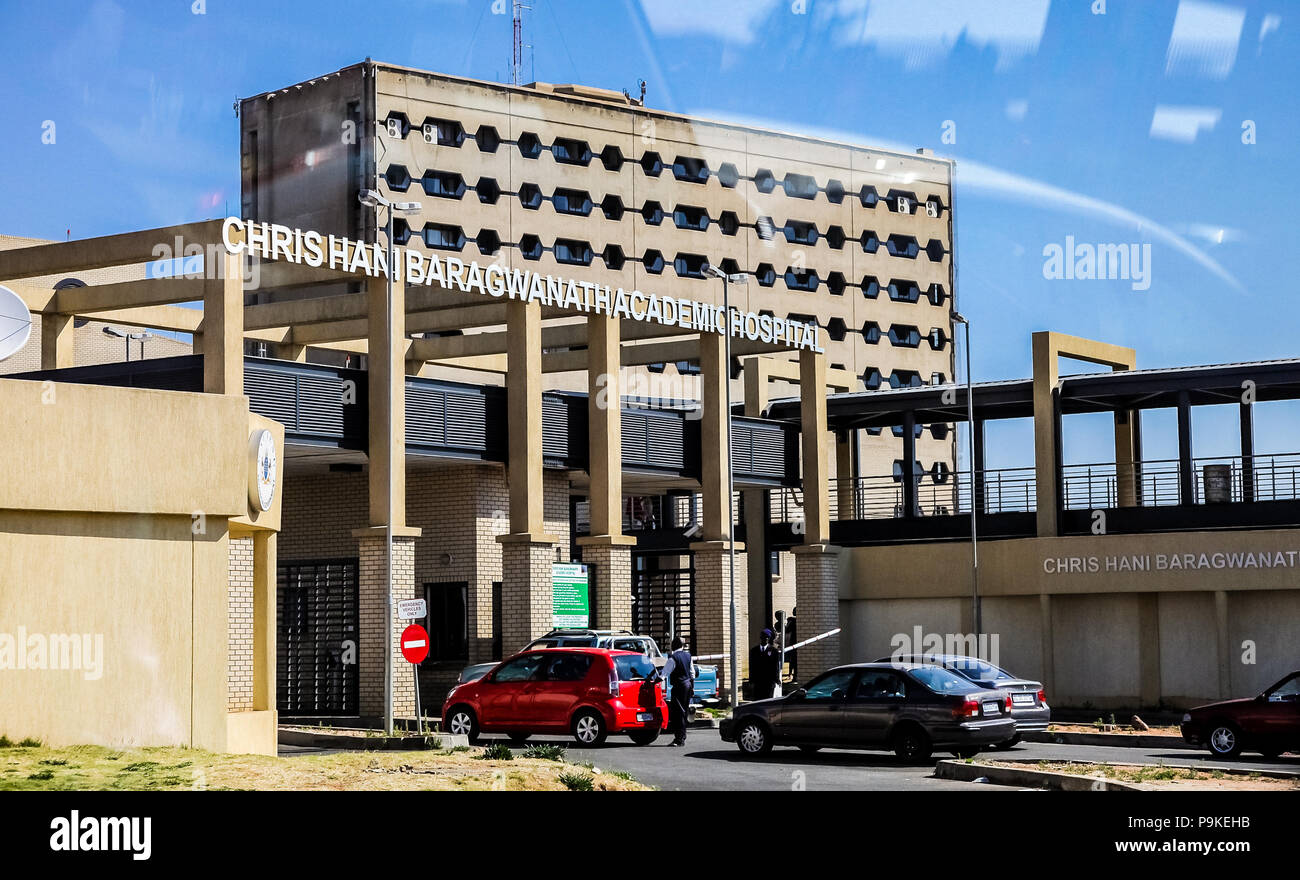
Stroke/head injury survivors often present with difficulties communicating, swallowing, mobility, activities of daily living and reintegration into society. Their complex needs requires integrated, coordinated team approaches. South Africa has approximately 90 stroke survivors daily. Approximately 89000 cases of head injury are reported annually with limited numbers of professionals providing rehabilitation services. Chris Hani Baragwanath Academic Hospital (CHBAH) as a central hospital and the largest in Africa with approximately 3400 beds, deals with a huge number of patients with head injuries. After a median length of hospital stay of nine days, patients transition into out-patient services. Currently 2% of patients are accessing step-down facilities. This was found in a recent research study at the hospital Previously, patients were booked straight into general out-patient appointments resulting in increased waiting times, decreased therapist capacity and poor appointment utilization due to missed initial appointments/patient spontaneous recovery. Patients were booked for three separate appointments on different dates for all disciplines resulting in increased financial and caregiver burden, and poor attendance rates. The hospital therefore implemented a trans-disciplinary screening service and an inter-disciplinary out-patient service developed by the team (speech therapy, occupational therapy, and physiotherapy) at CHBAH to overcome the aforementioned patient and logistical challenges.
Date: 2026/09/01
Version: 0.1
Tags:
Public Health Innovations
Disability Interventions
Multidisciplinary Approach to Healthcare
High Volume Cataract Service
The Western Cape Department of Health needs to do 2000 cataract surgeries per million population per year (currently about 6 600 operations for the metropole) to prevent cataract blindness according to the World Health Organisation (WHO). Eerste River eye clinic was started to increase the number of cataract surgeries in the Cape Town Metropole and also the wider Western Cape. The only hospitals where a significant amount of cataract surgery was done were Tygerberg Hospital (1000) and Groote Schuur Hospital (1200). The province was falling far short of the recommended cataract surgery rate. The solution was a high volume cataract service which was started at Eerste River Hospital.
Date: 2026/06/30
Version: 0.1
Tags:
Public Health Innovations
Disability Interventions
3D Foot Scan, Gait Analysis Pressure Plate and Milling Machine
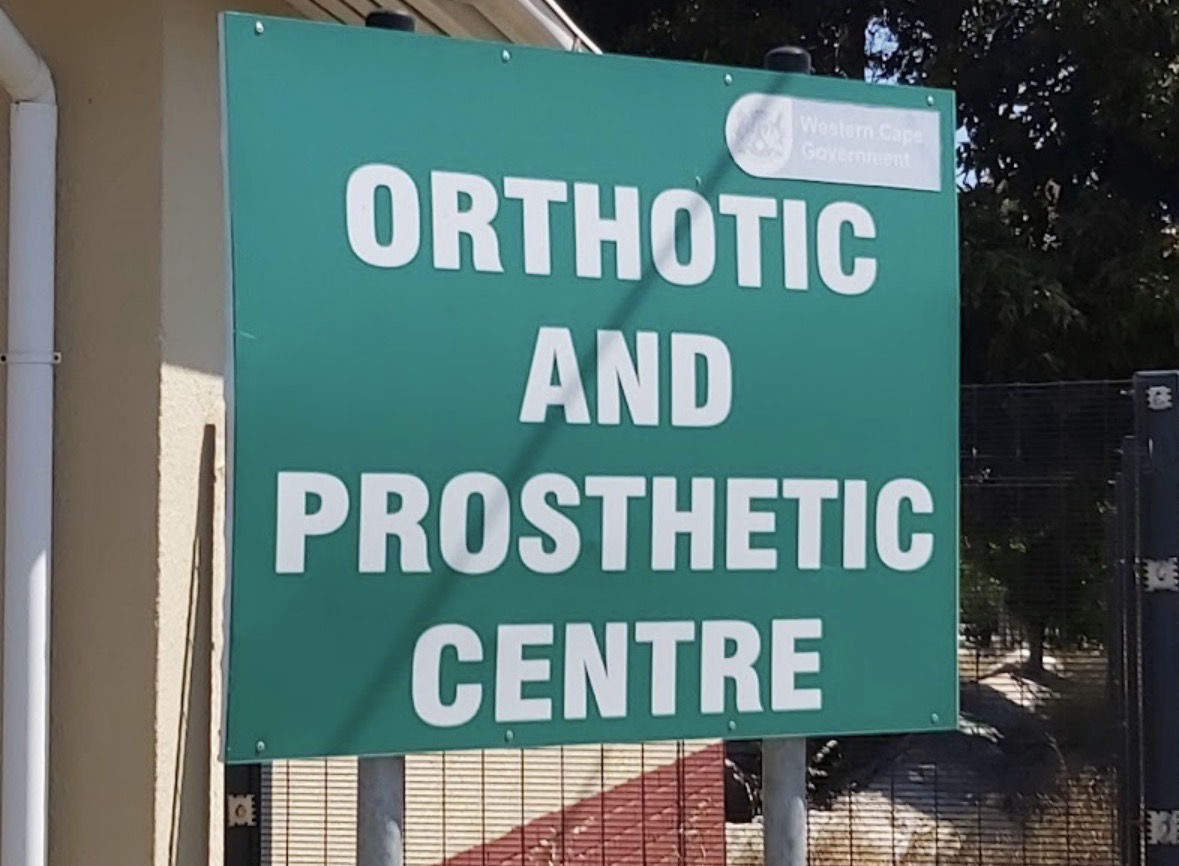
The previously labour intensive, time-consuming and inefficient processes, risk to service continuity, poor patient experience and missed opportunities were identified in the manufacturing process of Custom Made Innersoles. Several challenges were faced. The age profile of the Footwear Department and severe national shortage of Orthopedic Footwear Technicians. A diversification of roles and the use of technology were identified to mitigate this risk. Previous innersoles were required to be replaced every 6 – 8 months due to the quality of product currently available. This added unnecessary expense and required multiple visits by patients. The waiting time for patients in the Metro were 2-3 weeks and rural areas had to wait 8 – 12 weeks for innersoles. Patients who required moulded custom products needed to travel to OPC for moulding and fitting. This cannot be done by OSs at PHC facilities. Casting a patient’s foot with POP is a relatively crude process and products often must be adjusted at the fitting stage of their management. This prolonged the fitting appointment. Rural patients need to wait between 3-6 months for an appointment with an Orthotist for both the assessment and fitting on the product.
Date: 2026/05/28
Version: 0.1
Tags:
Public Health Innovations
Disability Interventions

Multi-Disciplinary Package of Care for Lower Limb Replacement Arthroplasty Patients
In South Africa, there is an ongoing major challenge of extensive waiting lists of arthroplasty patients. To manage this challenge would require huge sums of money. Following the onset of COVID-19 pandemic, this challenge became worse particularly with the subsequent cancellation of elective surgeries. At Chris Hani Baragwanath Hospital (CHBAH), it would take as long as two years for patients to receive an arthroplasty operations as per the waiting list registry kept at the unit, not only did this attract bad media publicity, it also inevitably became a major political concern. In response, the orthopaedic physiotherapists at CHBAH developed a solution in the form of a multi-disciplinary package of care.
Date: 2026/01/28
Version: 0.1
Tags:
Public Health Innovations
Disability Interventions
Multidisciplinary Approach to Healthcare
Telehealth
.png)
Telehealth Implementation within the Paediatric Speech Therapy Outpatient Service
The implementation of telehealth into the paediatric speech therapy outpatient service was initiated as a result of the COVID-19 pandemic. Due to the pandemic, especially during level 5 and 4 lock down, patients were not able to access outpatient services. As restrictions were eased, it was evident that attending multiple appointments further added to the financial burden being faced by families as well as increasing their risk of exposure to COVID 19. As a result of these factors the innovation within the paediatric speech outpatient service through telehealth ensured that all patients still had access and were receiving speech therapy services, in accordance with patients’ right to therapy. Patients were provided with speech, language and feeding intervention in the comfort of their homes. This ensured that all patients are receiving the intervention that they have the right to receive, which is crucial, especially with Early Childhood (ECI) Intervention, which is a priority throughout all paediatric speech services. The reason being that ECI provides the opportunities for future success if intervention strategies are implemented from a young age. Essentially, it improves their overall outcomes.
Date: 2026/01/28
Version: 0.1
Tags:
Public Health Innovations
Disability Interventions
Telehealth
Expansion of Clubfoot Services and Training Project
Clubfoot is a common congenital musculoskeletal disorder that causes mobility impairment. It is one of the leading causes of physical disability in children, particularly in low to middle income countries. This is true, despite the fact that it is a treatable condition. Clubfoot is a deformity in which an infant's foot is turned inward, often so severely that the bottom of the foot faces sideways or even upward. The condition most often presents at birth and is caused by a shortened Achilles tendon. Generally, there is a lack of trained mid-level personnel to provide clubfoot treatment in Africa. In addition, there is no standard training courses. In Gauteng province, Clubfoot is generally managed in Academic Hospital clinics which are run by Orthopaedic Surgery Departments. This placed a huge burden on these facilities which are few while also forcing patients and their families to travel longer distances to seek treatment elsewhere. The Charlotte Maxeke Johannesburg Academic Hospital came up with a solution to deal with this challenge.
Date: 2026/01/27
Version: 0.1
Tags:
Public Health Innovations
Disability Interventions
Multidisciplinary Approach to Healthcare

The Early Hearing Detection and Intervention (EHDI) Programme
Congenital hearing loss occurs most frequently at birth. The World Health Organization (2010) indicated newborn hearing impairment averages around 6 per 1000 births. Children develop language, communication, and cognitive skills by hearing. The early identification of hearing loss is necessary for healthy child development. With advancements in the method of assessing hearing status of newborns objectively, the implementation of a universal newborn hearing screening (UNHS) programme is an effective system to identify hearing loss early (Das et al., 2020). While early hearing detection and intervention (EHDI) focuses on the overall journey of the child from identification, diagnosis, and management (Moodley & Storbeck, 2015). The South African government recognises the value of UNHS; however, it has not been adopted within the public health sector that services approximately 80% of the population (Kanji, 2018). Recent studies have widely indicated that the implementation of an EHDI programme will have adverse economic effects in future.
Date: 2026/01/23
Version: 0.1
Tags:
Public Health Innovations
Disability Interventions
.jpg)
Centre for Children with Special Needs
Bertha Gxowa Hospital started the Centre for Children with Special Needs to deal with challenges that faced children with special needs, their mothers and care givers who were spending more than a day when visiting the hospital for services. Children with special needs were seen on one-on-one basis in the past which resulted in delays. Appointments were booked on the same day by different parents and caregivers. This became overwhelming with the high referral rate. Waiting periods grew longer and patients were seen less frequently. As a result, the Cerebral Palsy Clinic also known as the Centre for Children with Special Needs was established. Tags:
Date: 2026/01/23
Version: 0.1
Tags:
Public Health Solutions
Disability Intervention
Waiting Times Reduction
Multidisciplinary Approach to Healthcare